No items found.


Why We Invested in Endra
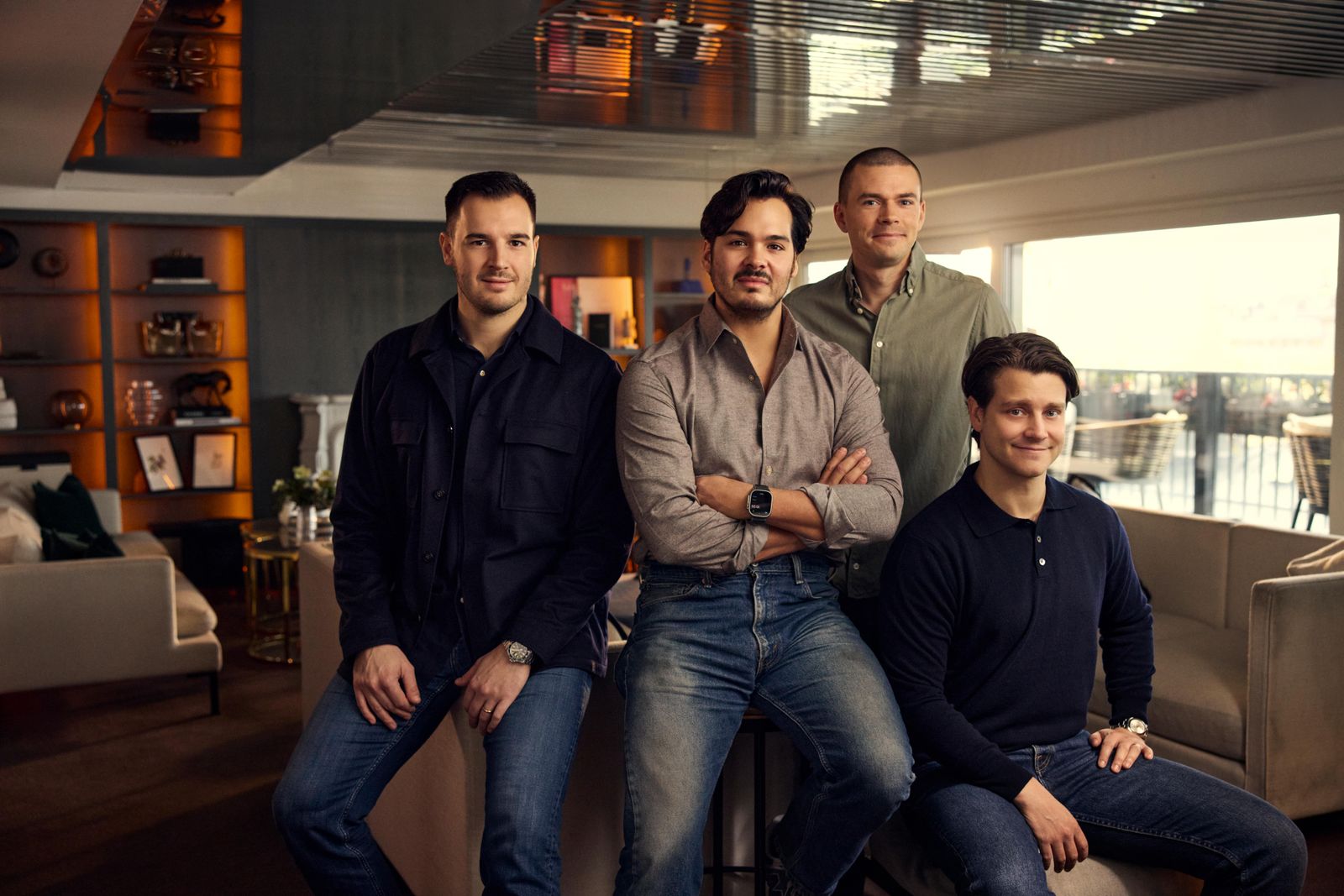

We couldn’t be more excited to be leading Endra’s $20m Seed round to fuel their next stage of growth, including their first product launch and go-to-market push.
Construction and real estate account for 20% of global GDP, yet the sector remains one of the least digitised, having only selectively benefited from software to date. At the same time, the world is under immense pressure to build. Data centre construction alone is adding roughly $100bn in annual spending across the US and Europe.
But the industry faces significant headwinds: the growing regulatory complexity, inflation driving up the cost, employee shortages, and under-digitisation, have resulted in the construction backlogs growing in most geographies in recent years.
The last time the Architecture, Engineering & Construction (AEC) industry drastically changed was over 2 decades ago with the launch of Revit in the early 2000s (now part of Autodesk), a building information modelling (BIM) software for architects, engineers, and contractors to better collaborate and be more efficient. While pre-cloud and highly manual, the industry wide adoption of this tool established the data layer that is now enabling AI to transform the AEC sector.
We spoke with dozens of parties as part of our investment into Endra and the underlying sentiment was all the same: the industry is desperate for AI to take away some of the most onerous and time-consuming aspects of the building design work. This is where Endra comes in.
A paradigm-shifting product in a huge market
Endra provides a generative design platform for MEP engineers. MEP stands for Mechanical, Electrical and Plumbing. While architects design the building and rooms within it, MEP Engineers take care of figuring out where to put the components that make the building functional and habitable.
This is painstaking and time consuming work. The designers manually place 1000s of elements representing components such as electric cables, water & gas pipes, sprinklers, fire alarms, HVAC units etc onto the 3D model, usually in Autodesk Revit. As part of this work they define the right types of devices, choosing the manufacturers, measuring the required wattages and lumens, ensuring that the project stands up to local building regulations and environmental efficiency requirements while meeting the owner’s requirements. This process takes anywhere between 3-9 months and represents most of the work done by MEP design firms. With Endra, the engineers will eventually be able to automate over 80% of their design work and deliver complete designs in a single day. The global MEP services market stands at $170bn in 2025 and is projected to reach $240bn by 2030.
Critical market timing
The adoption of 3D modelling tools and the Building Information Management (BIM) systems and frameworks has reached critical mass, particularly within the greenfield, large commercial real estate projects in the western world. This means that platforms such as Endra, for the first time, have scalable access to the data needed to start automating the process of MEP design. This wasn’t the case merely 3 years ago.
This product couldn’t be more timely as the shortage of MEP engineers is severe and worsening. This already affects nearly a quarter of MEP service providers, causing delays and quality concerns in project execution. By 2030 there will be a shortfall of 1m engineers globally.
What Endra is doing also wasn't technically deliverable only a couple years ago and is possible now thanks to the advances in AI not just LLMs, but broader progress in machine learning and the widespread availability of scalable compute.
Outstanding founder-market-fit and talent magnetism
CEO Niklas and COO Anton have been working together since their teenage years, when they started their first business selling hockey sticks. Their most recent company was Sectagron - a specialist installer of advanced security solutions, like access control and intelligent CCTV. It was there, managing an in-house team of MEP designers, that they experienced firsthand the inefficiencies caused by outdated design tools, and where the idea for Endra was born. Since then David (CTO) and Gustav (CPTO) joined to help them move from idea into reality. They both worked together before, building trading systems at Goldman Sachs and were very excited to make the leap when they learned about Endra’s unique opportunity in the generative design space. While they’re only nine today, they’ve been hiring some really impressive people to join them on their mission, including some of the best AI talent Stockholm has to offer.
At Notion Capital we prioritise products with the potential to reinvent the real economy and drive meaningful GDP impact. Niklas, Anton, David and Gustav have a clear vision: to become the go-to system of work for MEP engineering and in doing so, transform the economics of the industry while unlocking the AEC sector's capacity to meet one of the defining infrastructure challenges of our time.
Why did you choose Notion?
As with many things in life, it ultimately comes down to personal connection and chemistry. We had the opportunity to speak with - and ultimately decline - over 150 funds, but none matched the depth of preparation and conviction Notion brought to the table. Before we even met, they had conducted over 20 user interviews and came to us with thoughtful insights into our market and product. Their level of engagement was out of the ordinary, and once we took the meeting, it became immediately clear this was the right partnership. We were deeply aligned on the vision and the how of building a generational company in one of the world’s largest yet least visible industries: MEP engineering - the systems that make buildings breathe, light up, and stay safe.
Similiar
Articles
you also may like to read
Similiar
Articles
you also may like to read



Get the latest from Notion Capital. Sign up to our newsletter.
Keep the conversation going:
LinkedIn
